

The first wave of artificial intelligence demonstrated that software could understand languages, recognize patterns and aid people in completing increasingly complicated tasks. The majority of these programs relied, however, on sending data to remote servers before receiving an answer. Cloud computing has helped AI adoption but it also brought with it difficulties, including latency security, infrastructure costs, and developer flexibility.
Nowadays, many engineering teams are moving towards the opposite view. Instead of viewing artificial intelligent as a service that is remote engineers are now developing systems that can operate close to the place where decisions are made. This is driving the on-device AI adoption, enabling apps to be more responsive, reduce reliance on external infrastructure and maintain greater security of sensitive information.
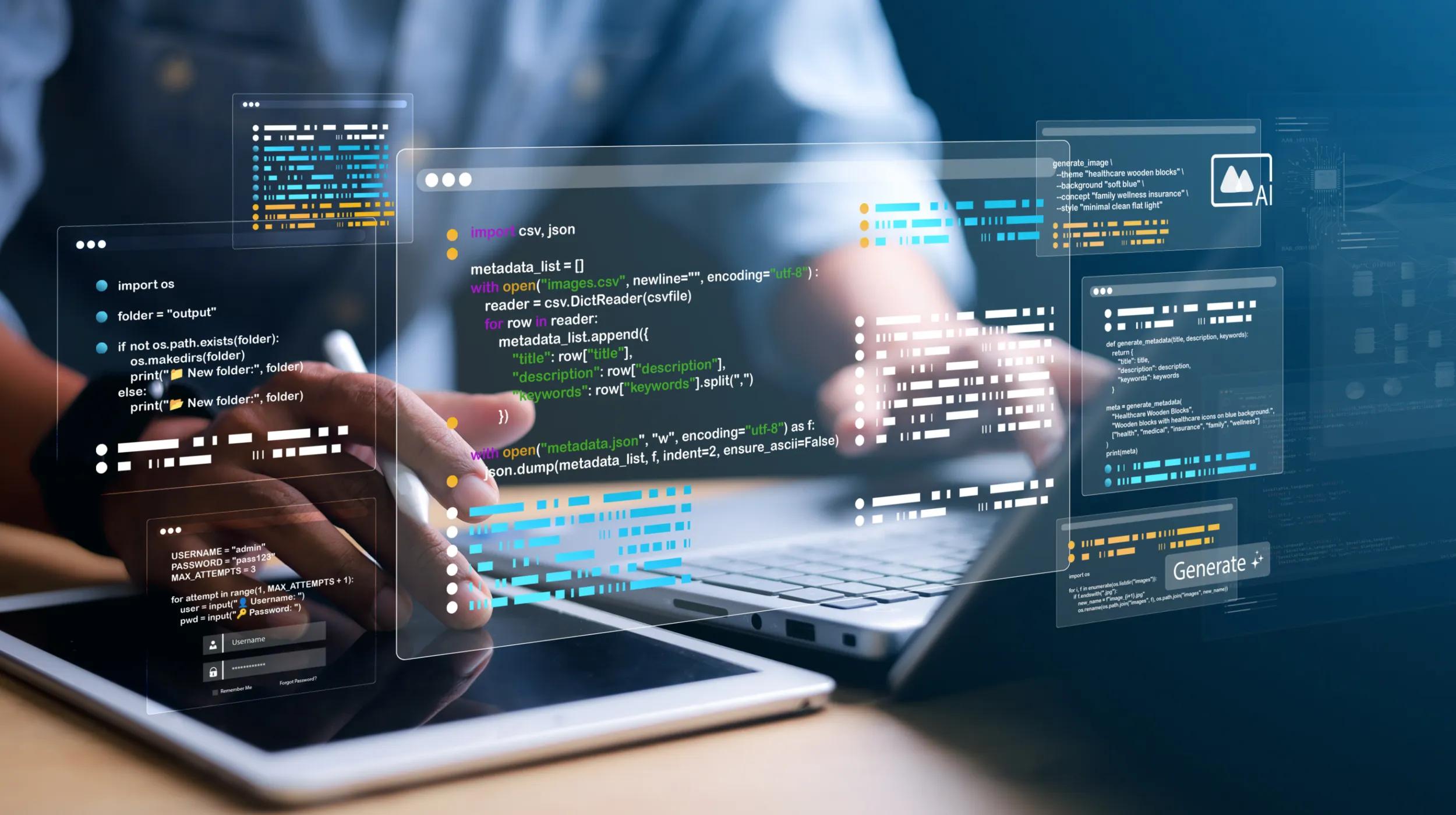
Modern AI requires a system designed to handle real-world demands
The choice of the language model alone is not enough to produce intelligent software. The architecture that is used to support it is important to the performance of the software. The performance of an AI application in production is affected by the efficiency of runtime as well as observability and deployment flexibility.
The increasing complexity has prompted demand for stronger AI agent infrastructure that is capable of creating autonomous workflows, intelligent decisions, and consistent execution. Many companies prefer using specialized infrastructure that is optimized for their particular operational requirements as opposed to generic platforms.
Thyn’s philosophy was based on this. Instead of developing a single AI product The company develops a the runtime engine as a foundational piece of software that runs various specialized products and permits each solution to develop independently. This design approach lets engineers focus on solving issues, rather than continually rebuilding the the infrastructure.
Better tools help developers build better systems
AI will be integrated into more software and applications, and developers will require access to more than just APIs. They require environments that ease deployment monitoring, debugging, running time management, and testing.
Modern AI tools for developers emphasize transparency and control more than ever before. Developers must be aware of how their AI systems behave in the real world, and be able to precisely measure latency, and optimize the use of resources without sacrificing reliability and performance.
Thyn invests massively in these engineering foundations by focusing on quantifiable system performance rather than broad claims of marketing. Runtime research and deployment strategies, as well as evaluation frameworks, user experience and observability are considered as essential engineering disciplines that make every product that is built within its environment.
Specialized intelligence can perform better than any one-size-fits all platform.
Not all AI workloads function in the same manner under the exact conditions. Financial trading, embedded software, cryptographic apps and autonomous systems each have their own performance and security requirements.
Instead of putting every application with the same infrastructure, Thyn develops dedicated engines that are designed around specific areas. It permits products to be developed independently, and still benefit from research and management.
The same principle is beginning to influence AI coding agents. Coding agents of the present, instead of being general-purpose assistants are becoming more specialized. They aid developers to write code, analyze repositories and automate repetitive engineering tasks while remaining integrated with existing development workflows.
More information closer to the decision-making point
The future of artificial intelligence is not just about generating data. Increasingly, successful systems will be able to think, assess context, make decisions, and carry out actions with minimum delay.
Running intelligence locally offers significant advantages for products that require speed, dependability, and privacy. On-device AI minimizes network dependence can reduce latency and allows applications to run even when connectivity is limited. It improves the user experience while giving organizations more control over their data and infrastructure.
Additionally, AI agent infrastructure that can scale ensures that intelligent systems can be observed capable of being managed, as well as flexible when demands are changed.
Thyn symbolizes this new direction by establishing the institutional base for intelligent software instead of focusing on individual applications. Through the use of advanced runtime technology, specialized engines, robust AI developer tools, and cutting-edge AI programming agents Thyn has helped create an environment where AI is faster, safer, more secure, and ultimately more useful for developers building the next generation of intelligent software.